Smith County court case search helps residents check civil, criminal, probate, traffic, and family court filings through online county systems. Public records often include case numbers, hearing dates, party names, filed documents, and court status details. Many users search these records to review active lawsuits, confirm court schedules, or verify legal filings before visiting the courthouse. Online search tools save time and help users review county judicial records from home without waiting for in-person record requests or paper file searches.
Smith County case records provide useful details for attorneys, employers, journalists, researchers, and local residents searching public court information. County databases may include docket entries, judgments, warrants, filings, and court calendar updates linked to ongoing or closed cases. Search filters often allow results by name, citation number, filing date, or case type for faster record results. Public court search systems support quick record checks and help users review county legal activity through secure online portals.
How to Perform Smith County Case Search Online
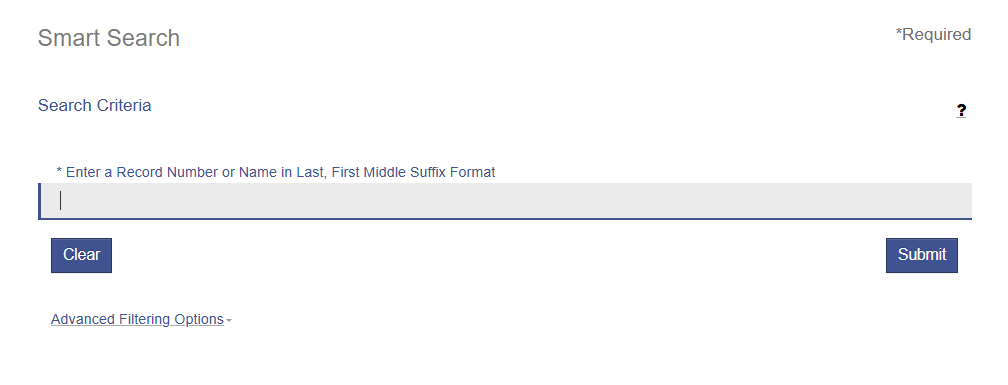
Smith County case search online system allows users to check public court records, case filings, hearing details, and docket updates through the official judicial portal. The system organizes court data in a structured way so users can find civil, criminal, probate, and family cases using different search options. Users can perform court case lookup using case number, party name, filing date, or attorney name. Each search method pulls relevant records from the Smith County online records system and shows case status, hearing schedule, and filing history related to Smith Court Cases for easier public access and case tracking.
Official Smith County Public Portal
Official Portal Link: https://portal.smith-county.com/Public/Home/Dashboard/29
The Smith County judicial portal works as a central court records system. It connects public users with searchable court data stored in county databases. After opening the portal, users can select different search tools from the dashboard depending on the information available. The system is designed to reduce manual courthouse visits by showing court case data online. It includes docket entries, case progress updates, and public hearing information when available.
How Smith County Online Court System Works
The Smith County court search system works in a simple flow:
- User opens the official portal
- User selects a search method
- User enters required details
- System pulls matching court records
- User opens case for full details
This process connects user input with the county judicial records database. Each record is updated when court actions are recorded in the system.
Portal Search Options Available
The Smith County court portal provides multiple search tools for different user needs:
- Case number search for direct lookup
- Party name search for defendant or plaintiff records
- Filing date search for timeline-based results
- Attorney name search for legal representation records
Each tool filters the same database but displays results in different formats based on search type.
Search by Case Number (Most Accurate Method)
Case number search is the most direct method for finding a court record. It uses a unique docket number assigned during case filing.
Seach process
- Open Smith County judicial portal
- Select case search option
- Choose case number search
- Enter full docket or filing ID
- Submit search request
- Open matching record
Search by Party Name (People or Business Search)
Party name search helps users find cases without needing a case number. It searches records using a person or business name involved in the case.
Seach process
- Open Smith County portal
- Go to case search section
- Select party name search option
- Enter full name of person or business
- Submit search request
- Review results list
- Open relevant case
How results appear
This search may return multiple cases because names can repeat in court records. Users often need to filter results using:
Search by Filing Date (Timeline-Based Search)
Filing date search helps users locate cases based on when they were filed in court. This method is useful for tracking court activity over a specific time period.
Search process
- Open Smith County judicial portal
- Select filing date search option
- Enter start date
- Enter end date
- Apply optional filters
- Run search
- Review results list
Search by Attorney Name (Lawyer Case Tracking)
Attorney search helps users find cases connected to a specific lawyer or law firm. It is commonly used in legal research and case tracking.
Search process
- Open Smith County portal
- Select attorney search tool
- Enter lawyer’s full name
- Submit search request
- Open result list
- Select relevant case
Information shown in results
- Active court cases
- Closed case records
- Hearing schedules
- Motion filings
- Court appearances
- Legal representation details
- Docket history
Types of Cases Available in Smith County Court Records
Smith County Court Records contain multiple categories of legal cases that cover civil disputes, criminal matters, family issues, probate filings, and traffic violations. Each record type reflects a different area of the legal system and holds structured information about filings, hearings, and outcomes. Users reviewing online case records can find lawsuit details, charges, court actions, and final judgments. These records support civil case search, criminal case lookup, and related checks across county-level courts in a clear format for public reference use.
Civil Case Search
Civil case search in Smith County focuses on non-criminal disputes between parties involving financial or property-related matters. Civil court records include filings for contract disputes, personal injury claims, and property disagreements. A lawsuit lookup shows case history, party names, court filings, hearing dates, and decisions. These records support review of civil court records and small claims matters handled at county level courts. Users checking online case records can track case progress and legal outcomes through structured filings for legal review purposes.
- Contract disputes between individuals or businesses
- Personal injury claim filings and outcomes
- Property-related disagreements and court rulings
Criminal Case Lookup
Criminal case lookup in Smith County provides records related to offenses filed under state and local law enforcement agencies. Criminal court records show arrest details, charge descriptions, and case progress through hearings and rulings. These filings may include felony records for serious offenses and misdemeanor search results for minor violations. Online case records display arrest dates, court appearances, sentencing outcomes, and disposition status. Users reviewing criminal filings can track case history across multiple court stages for public record review use.
Family Court Case Search
Family court case search in Smith County covers domestic matters involving relationships, custody issues, and legal separation proceedings. Family court records include divorce case lookup details, child custody records, protective orders, and domestic relations filings. These cases often involve sensitive court hearings and structured decisions related to family law matters. Online case records may show filing dates, court orders, and scheduled hearings. Users reviewing family filings can follow case status through each stage of proceedings for record tracking purposes.
- Divorce filings and settlement outcomes
- Child custody and support arrangements
- Protective and restraining order records
Probate & Estate Cases
Probate case search in Smith County focuses on estate administration, wills, and inheritance matters handled through probate courts. Probate and estate records include wills validation, guardianship appointments, and inheritance dispute filings. These records show how estates are distributed among beneficiaries and how courts resolve legal claims. Online case records may include executor details, asset distribution orders, and court approvals. Users checking probate filings can track estate settlement stages through official court documentation for estate record review and reference use.
Traffic & Citation Cases
Traffic case lookup in Smith County covers citations issued for road and driving violations recorded under municipal and county courts. Traffic and citation records include speeding tickets, signal violations, parking fines, and other minor offenses. These online case records show violation dates, fine amounts, court appearances, and payment status. Users reviewing traffic filings can check municipal court records linked with citation history. Records provide structured details of traffic violations across different enforcement points for citation record review and tracking use.
Smith County Case Status
Smith County case status shows the current position of a legal matter inside the court system. A case status search helps identify whether a case is open, pending, or closed. Court case status records reflect movement from filing stage to final decision. Online case records display updates like active litigation, scheduled hearings, and final resolutions. Each status label gives a clear signal about progress in civil, criminal, family, probate, and traffic matters across the court database.
What Smith County Case Status Means
Case status in Smith County reflects the legal condition of a filed matter at a specific point in time. It shows whether the case is still moving through court procedures or already completed. Status records come from court filings, hearing updates, and judicial decisions. A court case status may change several times as hearings take place or new orders are issued. These updates help track civil disputes, criminal proceedings, and other filings through each stage of the judicial process.
Common status indicators include:
- Active litigation showing ongoing court activity
- Pending case showing waiting period before action
- Disposed case showing completion after final decision
Case Status Search Process
A case status search in Smith County involves checking court records through official systems that store filing details and hearing updates. The search usually requires basic case information such as case number, party name, or filing date. Once entered, the system displays the current court case status along with related filings and hearing schedules. Online case records often include timestamps, courtroom details, and judge assignments linked to the case.
Typical search flow includes:
- Entering case number or party name
- Viewing matching court records
- Checking current case status label
- Reviewing hearing dates and updates
Common Court Status Terms
Smith County uses standard status labels to show how a case is progressing. Each term reflects a specific stage in the court process and helps users understand what action is happening or has already taken place. A case status search often returns one of these labels depending on the stage of the case.
| Status | Meaning |
|---|---|
| Open | Active case currently in court process |
| Pending | Case waiting for next court action or hearing |
| Disposed | Case completed with final outcome recorded |
| Dismissed | Case closed without further action |
| Judgment Entered | Court decision officially issued |
Meaning of Case Status in Legal Tracking
Case status plays a key role in showing how far a matter has progressed inside the court system. An open or active litigation status means the case is still moving through hearings or filings. A pending status shows waiting periods between court actions. A disposed status shows that the court has finalized the matter. These labels help track case resolution stages across different legal categories including lawsuits, criminal charges, and family disputes.
Status changes often reflect:
- Completion of court hearings
- Filing of new motions or evidence
- Final judgment or settlement
- Administrative closure of case files
How Case Status Updates Change
Court case status updates occur when new actions take place in a case. Each hearing, order, or filing can change the recorded status in the system. For example, a pending case may shift to open or scheduled hearing once a court date is set. A case may move to disposed after final judgment or dismissal. These updates are recorded by court staff and reflected in online case records for public reference and tracking.
Status changes commonly happen after:
- Scheduled court hearings
- Judge rulings or orders
- Settlement agreements between parties
- Case dismissal or completion of legal process
Smith County Court Case Search Rules & Public Access Limitations
Smith County court case search rules define what parts of court information can be viewed by the public and what remains protected under legal restrictions. Public court records are available through official systems, but not every document is open for general viewing. Court access rules control how civil, criminal, family, and juvenile cases appear in online case records. These rules help maintain a balance between transparency and privacy while protecting sensitive legal and personal information involved in different types of cases.
Which Records Are Public
Public court records in Smith County include case details that can be viewed through online search tools or courthouse requests. These records usually cover non-sensitive legal matters where public access is allowed. A court case search may show civil disputes, traffic violations, and basic criminal case information. Users can also see hearing schedules, case status updates, and final judgments. However, some personal details may still be limited depending on privacy rules and the type of case involved.
Which Records Are Restricted
Restricted records in Smith County include court files that are not available for public viewing due to privacy laws or judicial orders. These confidential records are removed from standard public court records systems to protect sensitive information. Judges may restrict access when a case involves private data, ongoing investigations, or protected individuals. Such limitations apply across criminal, family, and financial cases, where disclosure could harm privacy or legal integrity of the proceedings.
Sealed Case Explanation
A sealed case in Smith County refers to a court file that has been fully or partially hidden from public access through a court order. Once sealed, the case does not appear in standard case status searches or online case records. This process is used to protect sensitive information such as privacy concerns, safety risks, or legal confidentiality. Sealing may apply to entire cases or specific documents depending on the judge’s decision and the nature of the case.
Juvenile Case Confidentiality
Juvenile case confidentiality in Smith County ensures that records involving minors remain protected from public access. These cases are handled under strict court access rules to safeguard the identity and privacy of young individuals. A juvenile case search is not usually available in public court records systems, and hearings are often closed to the public. Only authorized parties such as parents, guardians, or legal representatives may request access through approved legal procedures.
Smith County Clerk & Court Contact Information
Smith County Clerk’s Office serves as the official custodian of public court records, including civil, probate, misdemeanor criminal, and official public documents. The office also manages records filing, document certification, and public court record requests. For court case search support, records requests, or administrative services, users can contact the clerk office directly using verified county contact details. The main courthouse location in Tyler, Texas operates during standard weekday hours for public services and records assistance.
Smith County Clerk Office (Official)
The Smith County Clerk Office is responsible for maintaining official public court records, including civil filings, probate cases, misdemeanor criminal records, and real property documents. It also handles marriage licenses, birth and death records (as applicable), and official document recording. The office supports judicial administration by preserving court filings and providing certified copies of records upon request. This office acts as the primary point for public court records access in Smith County.
Courthouse Address
The official Smith County Clerk location is:
200 E. Ferguson, Suite 300
Tyler, TX 75702, USA
This is the main courthouse annex where most clerk services are located, including civil, probate, criminal misdemeanor, and official public records divisions. The building is divided into sections for different records departments, and visitors may need to go to specific floors depending on their request type.
Office Hours
Smith County Clerk Office operates during standard business hours for public services.
Monday – Friday: 8:00 AM – 5:00 PM
Closed: Weekends and county holidays
Some departments may stop certain services earlier depending on workload or filing cut-off times, so visitors often arrive earlier in the day for records requests or filings.
Official Phone Number
Main Clerk Office Phone:
(903) 590-4670
This number connects users to the County Clerk office for general inquiries, records department assistance, and courthouse information. Different divisions may have separate direct lines depending on the request type (civil, probate, or official public records).
Frequently Asked Questions
Smith County case search FAQs help users understand how court records work, what can be searched online, and what limitations apply. Court case information includes civil, criminal, probate, and traffic matters, but access depends on legal rules and record status. Public judicial records are updated regularly through clerk systems, though some cases remain restricted or delayed due to processing, privacy laws, or court sealing requirements.
How do I search Smith County court cases online?
Smith County court cases can be searched through official county or Texas judicial online systems using a case number or party name. The search results show available court case information such as status, filing details, and hearing dates. Users can view civil, criminal, and traffic records that are part of public judicial records. Some documents may require additional requests if they are not fully available online or need certification from the clerk office.
Are Smith County criminal records public?
Most Smith County criminal records are considered public under state law and can be viewed through court case search systems. These records usually include charges, court hearings, and case outcomes. However, restricted files such as juvenile cases, sealed records, or active investigations are not publicly visible. Access to sensitive criminal case information is controlled to protect privacy and legal procedures while still maintaining public record transparency.
Can I search court cases by name?
Yes, Smith County case search systems often allow users to search court cases by name. By entering a party name, users may find related civil or criminal cases linked to that individual or business. The results can include multiple entries depending on how common the name is. However, sealed cases, confidential records, or restricted filings will not appear in name-based searches due to court access rules and privacy protections.
Is there a fee for online case lookup?
Basic court case lookup in Smith County is usually free when viewing public court information online. However, fees may apply for downloading official documents, certified copies, or detailed record requests. The clerk office may also charge for printed or archived case files. Costs depend on the type of document requested and whether certification or manual retrieval is required under court administrative procedures.
Why can’t I find my case online?
A case may not appear in Smith County online searches for several reasons. It may still be processing, not yet uploaded to the system, or removed due to confidentiality rules. Sealed cases, juvenile matters, and restricted files are not shown in public judicial records. In some situations, older cases may not be digitized. Users may need to contact the clerk office directly for confirmation or manual case lookup assistance.